Abstract
This research post presents the outcomes of an experimental research focused on deliberately jamming a ZigBee-based wireless smart home network by leveraging the capabilities of a software-defined radio (SDR) platform - HackRF - in conjunction with GNU Radio. The research object was a commercial Aqara smart home system operating within the 2.4 GHz ZigBee spectrum. All tests were conducted under controlled conditions in the EU, adhering strictly to safety and regulatory guidelines. The results confirm the high efficacy of SDR-based tools in exploiting wireless protocol weaknesses and inform potential defense mechanisms against deliberate interference.
Zigbee
ZigBee (IEEE 802.15.4) remains a dominant protocol in consumer and prosumer smart homes due to its low power profile, mesh topology, and wide device ecosystem. Like any unlicensed-band technology, its reliability depends on an uncontested slice of spectrum. While over-the-air confidentiality and integrity are handled at higher layers, a determined adversary - or careless interference source- can still deny service by saturating the medium. Prior work has explored the theory and tooling of RF interference against low-power PANs; our contribution is a focused, practice-driven evaluation in a home-like environment using off-the-shelf devices and a reproducible (but ethically constrained) methodology.
The primary goal of this research is to evaluate - from a real-world, empirical standpoint - how resistant an Aqara-based ZigBee ecosystem is to deliberate RF interference introduced via HackRF and open-source software (GNU Radio). By doing so, we aim to expose systemic vulnerabilities and suggest concrete countermeasures for future deployments.
A little bit theory
ZigBee Protocol - ZigBee operates in the globally available 2.4 GHz ISM band 2400–2483.5 MHz) utilizing 16 channels, each 5 MHz wide. It relies on CSMA/CA (Carrier Sense Multiple Access with Collision Avoidance) as its channel access mechanism, which - on paper - should offer a degree of robustness against random noise and interference. However, targeted RF aggression is another matter entirely.
HackRF Software-Defined Radio - HackRF is an open-hardware SDR capable of operating across a vast frequency range (1 MHz to 6 GHz). With a sample rate of up to 20 MSPS and support for 8-bit quadrature I/Q data, HackRF allows for both signal capture and injection. Its maximum transmit power of ~30 mW makes it safe for indoor experiments while still potent enough to cause meaningful disruptions at close range. From a hacker's perspective, HackRF is a versatile and dangerous weapon inthe `RF domain arsenal.
GNU Radio - GNU Radio is a modular, open-source signal processing toolkit equipped with a GUI flowgraph builder (GNU Radio Companion) and a vast library of DSP components. In this context, it was used to construct a ZigBee-band jammer - targeting specific channels with controlled noise patterns.
Ok, but how ZigBee talks (and why that matters)?
ZigBee rides atop IEEE 802.15.4 in the 2.4 GHz ISM band. The physical layer is designed for low data rates and long battery life: short frames, narrow channels, and modest transmit power. Medium access is CSMA/CA: a device listens, and if the channel sounds busy it waits; if it’s clear, it transmits and expects an ACK. When the air is noisy, two things happen:
Clear-channel assessment fails more often, so devices back off repeatedly.
ACKs don’t arrive (because frames were corrupted), so devices retry until they give up.
Neither case implies compromise. It’s just congestion at the most fundamental layer.
Jamming at a glance (conceptual)
Think of jamming as artificial, sustained “bad weather” on the frequency ZigBee uses. There are two broad flavors:
Broad/continuous interference: a constant hiss that keeps the channel busy and prevents new transmissions from starting.
Reactive/targeted interference: short bursts that collide with in-flight frames, making them unreadable and starving devices of ACKs.
There’s also unintentional "jamming": microwave ovens, leaky power supplies, or dense Wi-Fi traffic can swamp `2.4 GHz`. In practice, defenders must consider both malicious and accidental interference; the symptom pattern can look similar.
Hacking arsenal
For implementation, we will provide the following:
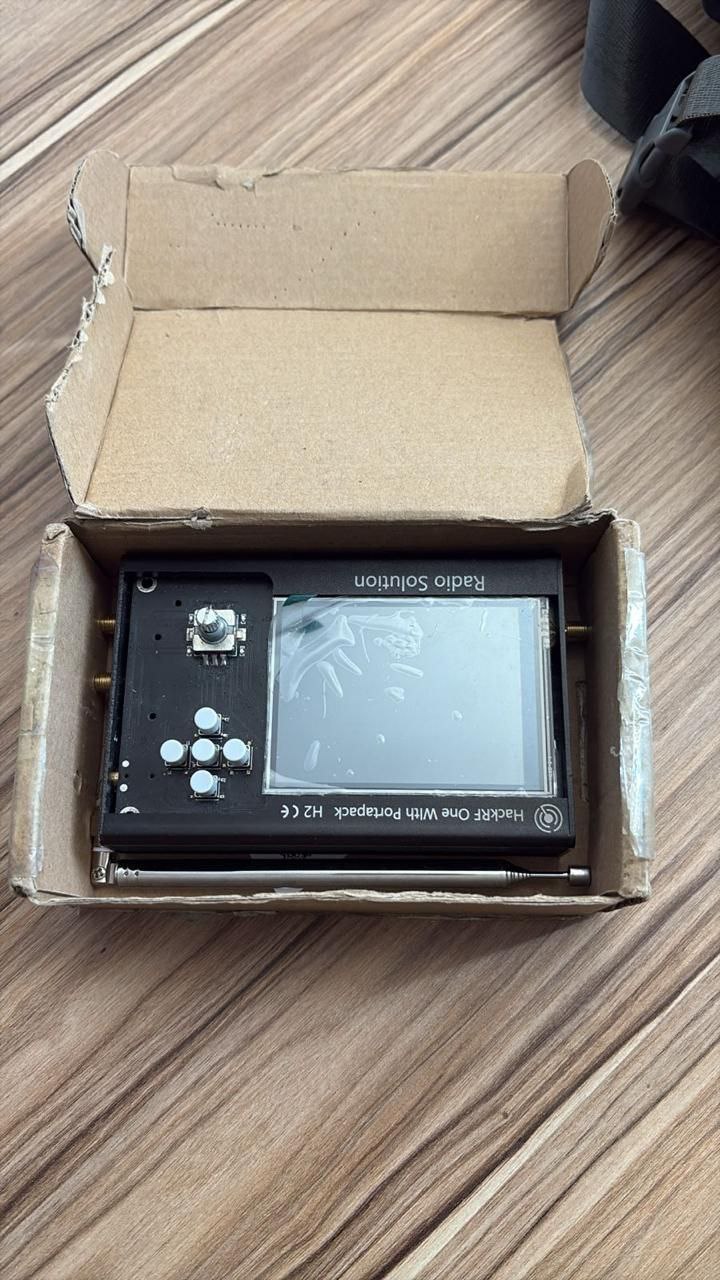
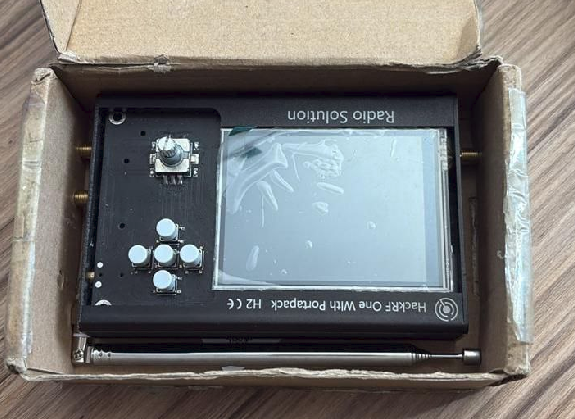
- HackRF One software-defined radio:
- Computer with GNU Radio installed:
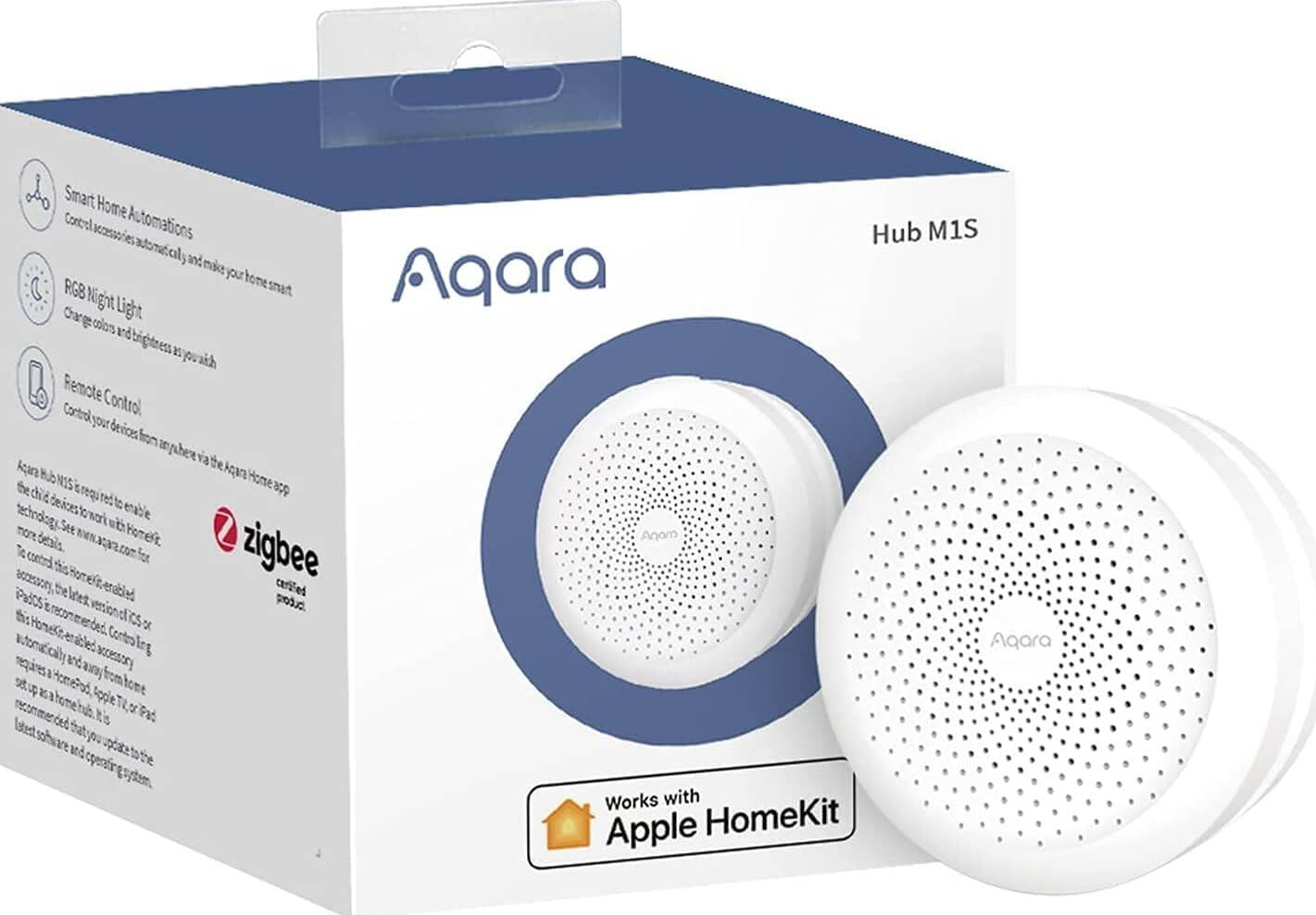
- Aqara Hub Hub:
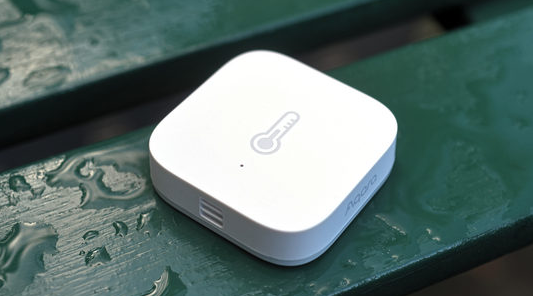
- Aqara Temperature and Humidity Sensor Temperature and Humidity Sensor:
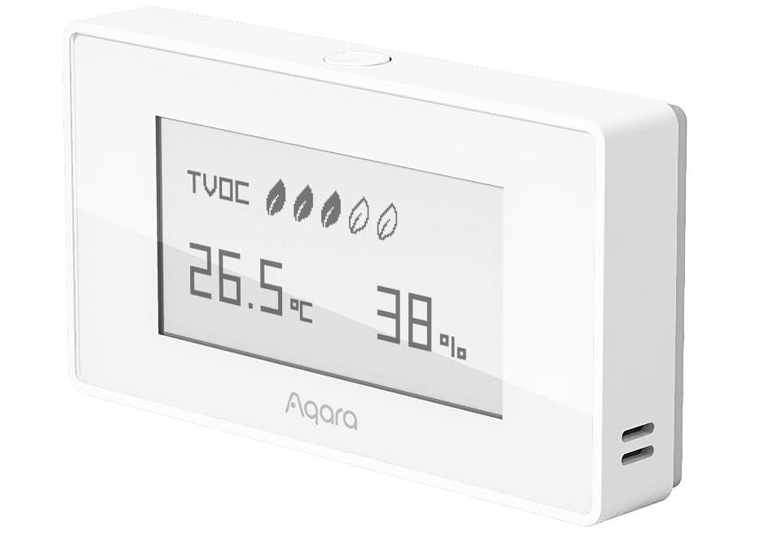
- Aqara TVOC Air Quality Sensor Air Quality Monitor:
Software-defined radio HackRF One can be purchased in various online stores such as AliExpress, TaoBao, etc.
Link to the official website: https://greatscottgadgets.com/hackrf/one/
GNU Radio Jammer Design
A custom jamming flowgraph was engineered using GNU Radio Companion. Key modules included:
Signal Source - A noise-like waveform generator, with tunable amplitude and frequency.
Spectrum Shaping Filter - Tailored the signal to match the 5 MHz ZigBee channel width.
Frequency Controller - Sequentially swept through ZigBee channels 11 through 26.
osmocom Sink - Routed the synthesized waveform to HackRF for RF emission.
The system was calibrated to dwell long enough on each channel to cause observable interference while maintaining full coverage of the ZigBee spectrum.
FIrst of all, all experiments took place indoors under repeatable, controlled conditions:
The Aqara system was configured and verified under normal operating parameters.
Communication metrics were logged for a baseline.
Jamming was initiated on each ZigBee channel in sequence.
Connection drop times and system response behaviors were recorded.
Tests were repeated in environments with and without obstacles.
For full functionality, we need to install GNU Radio.
GNU Radio is a free and open source software platform for developing software-defined radio systems (SDR - Software Defined Radio).
The following is an instruction for installing GNU Radio on the Ubuntu operating system.
First of all, we install the packages we need:
sudo apt install gnuradio gr-osmosdr git cmake g++ libboost-all-dev libgmp-dev swig doxygen libfftw3-dev python3-numpy python3-mako python3-sphinx python3-lxml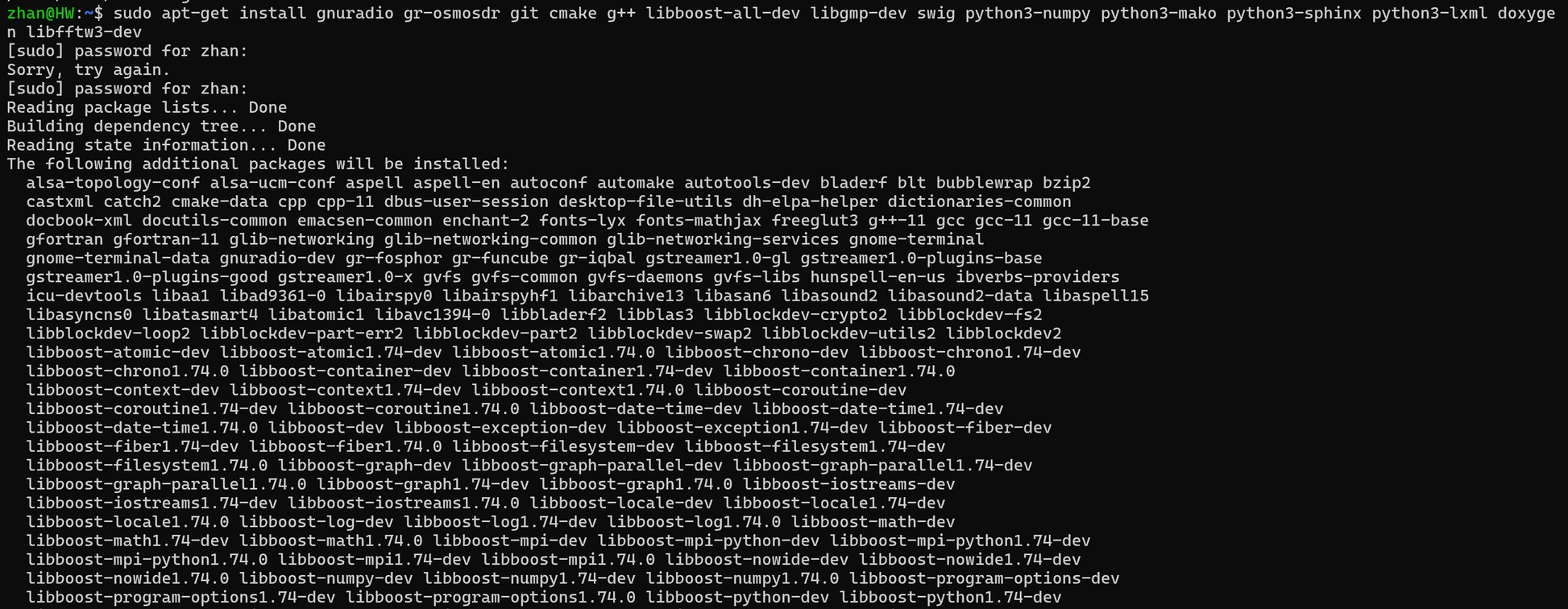
In order to successfully work with IEEE 802.15.4 in GNU Radio, we need to install the add-on from https://github.com/bastibl/gr-ieee802-15-4.git:
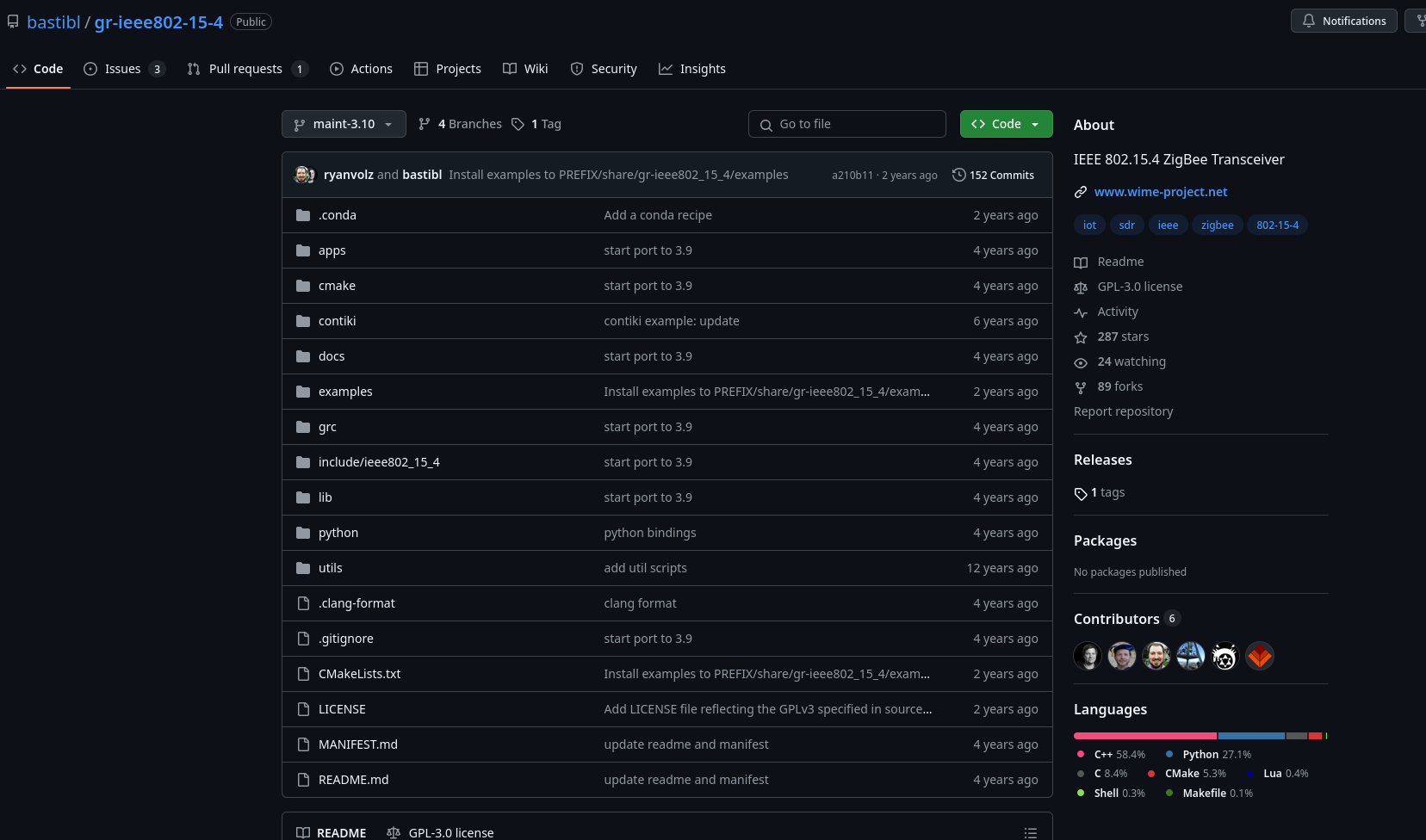
clone:
git clone https://github.com/bastibl/gr-ieee802-15-4.git
Now, we need to collect everything and install it by running the following commands:
cd gr-ieee802-15.4
mkdir build
cd build
cmake ..
make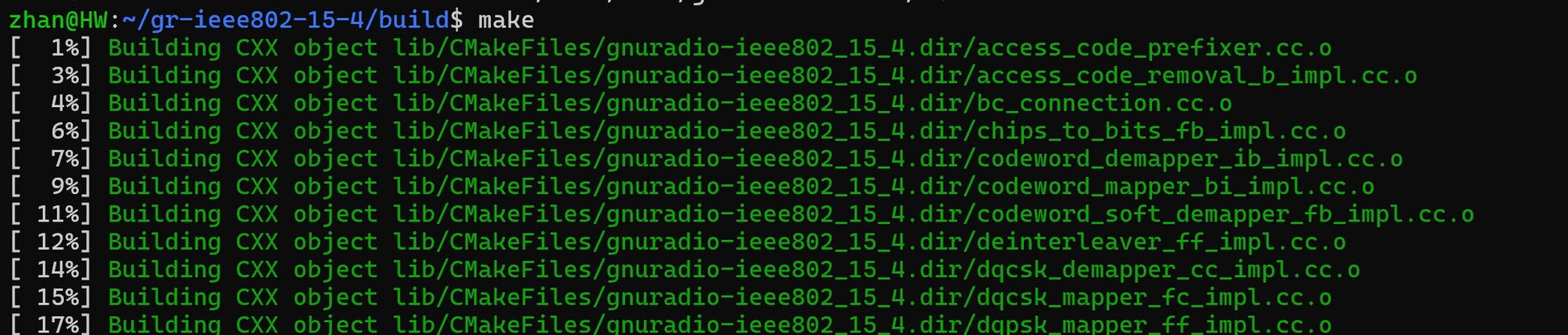
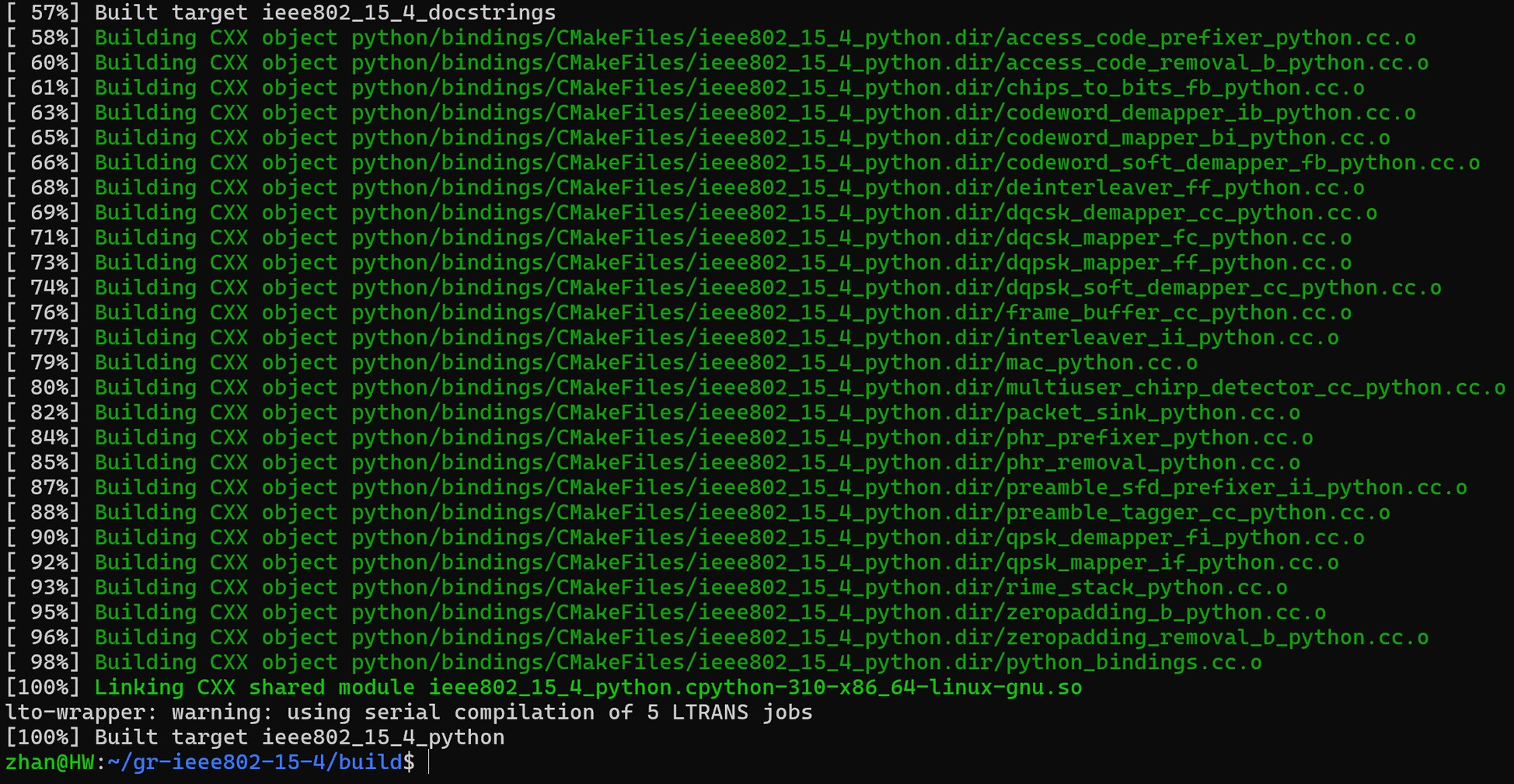
Install:
sudo make install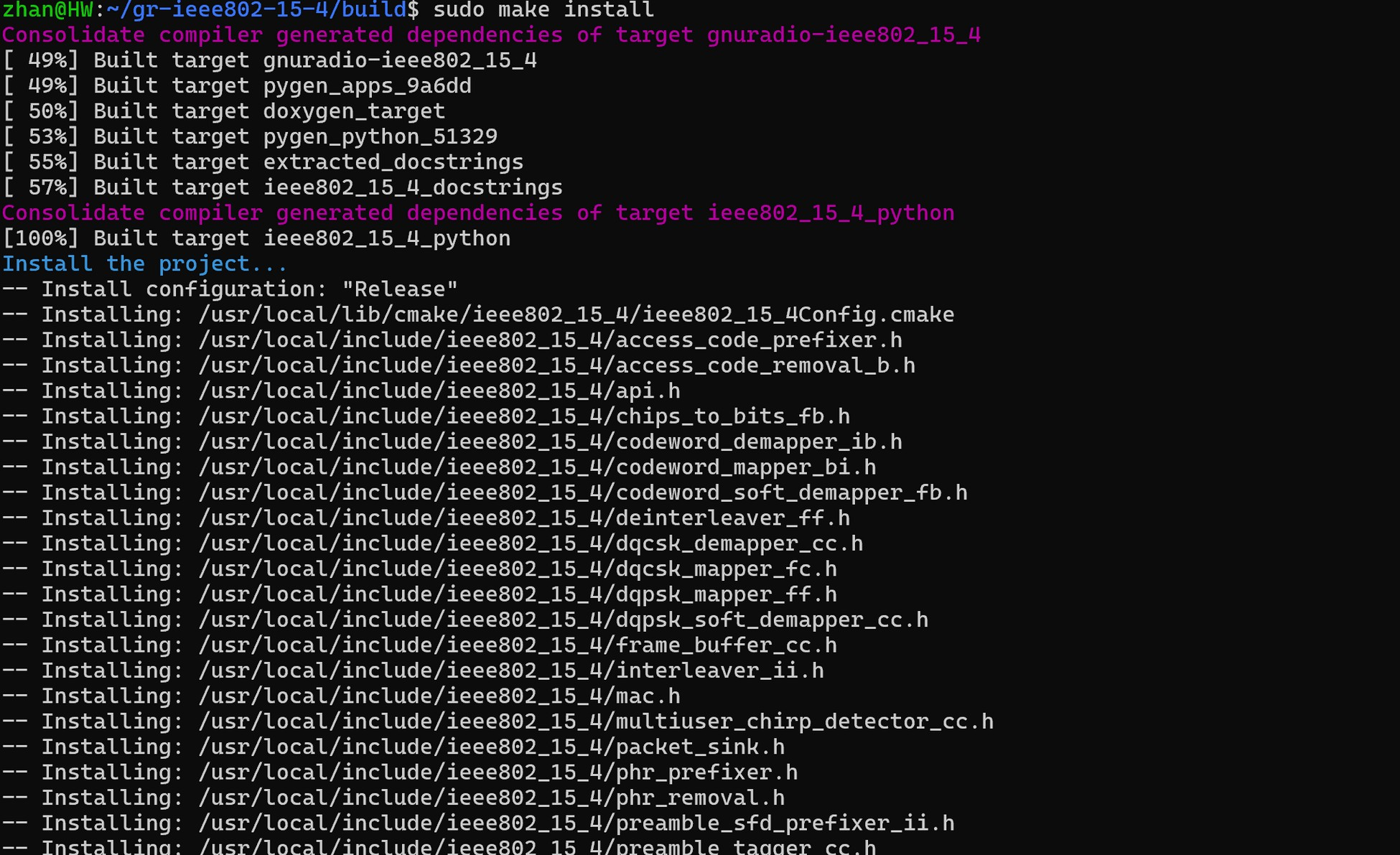
Next we see the launch window, in which we need to put the blocks we need.
gnuradio-companion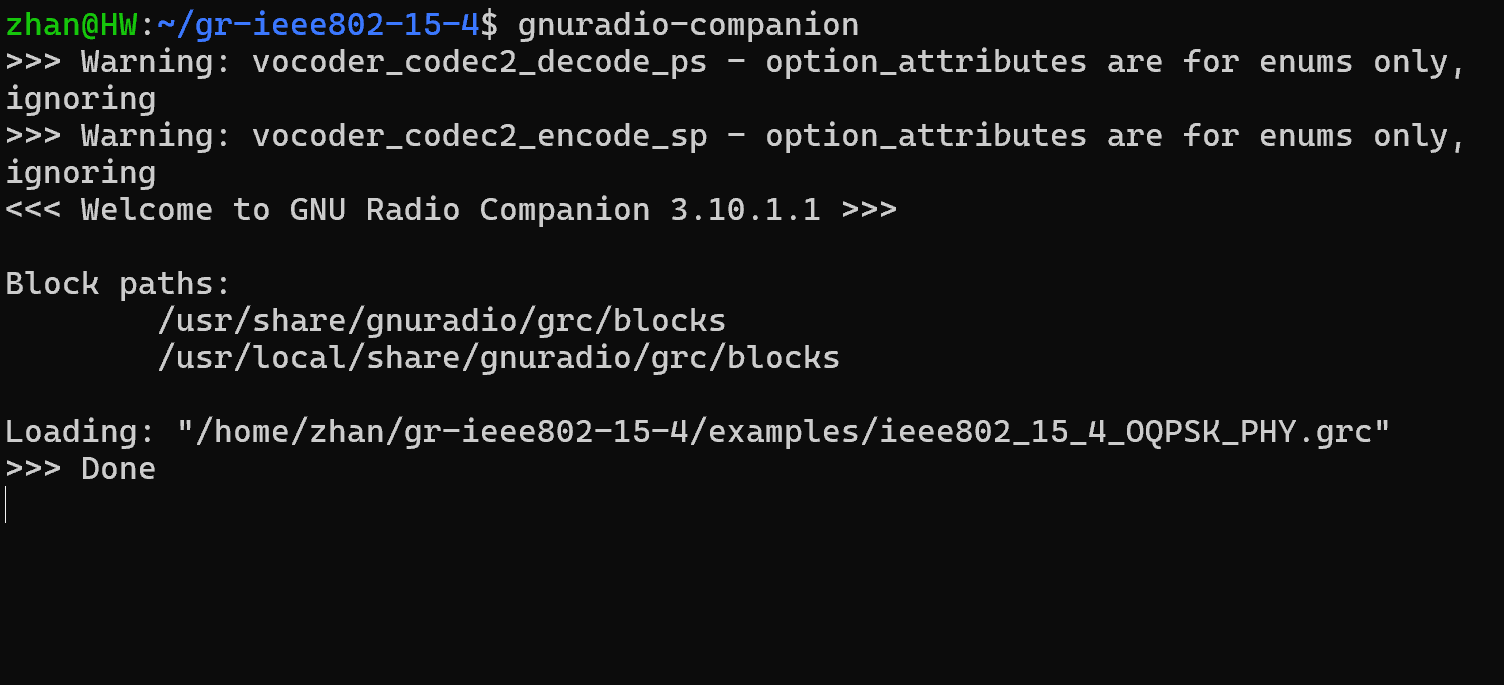
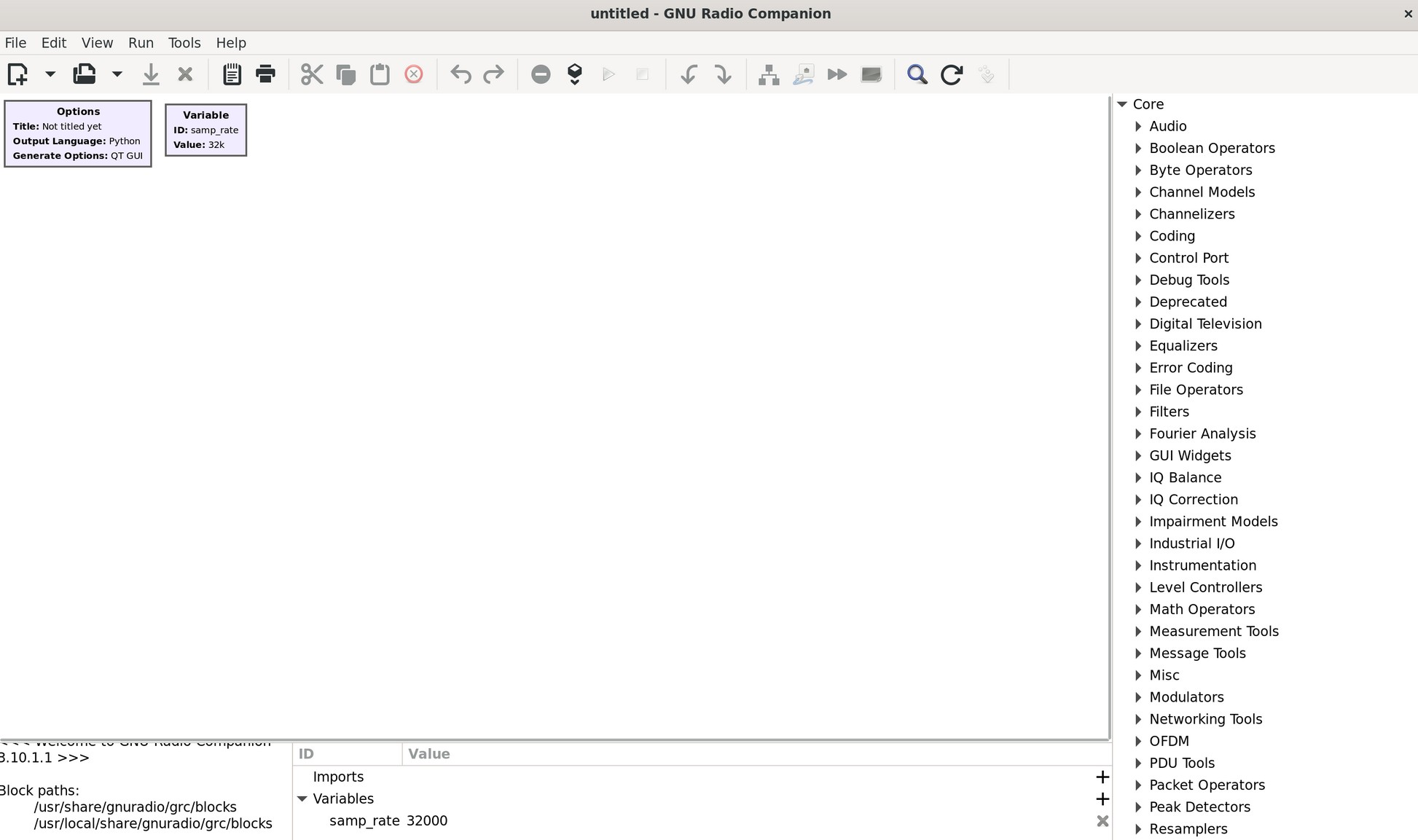
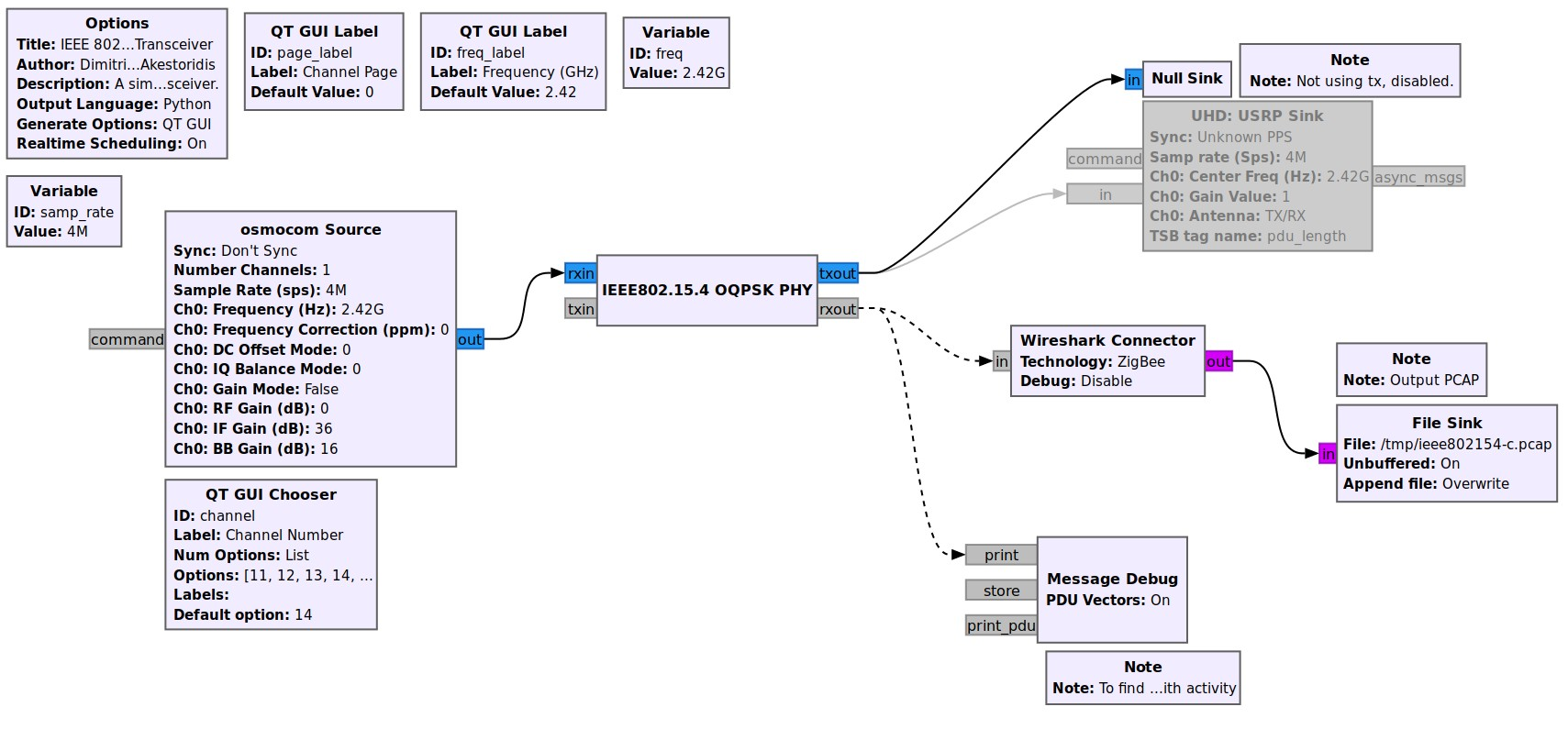
The scheme we need:
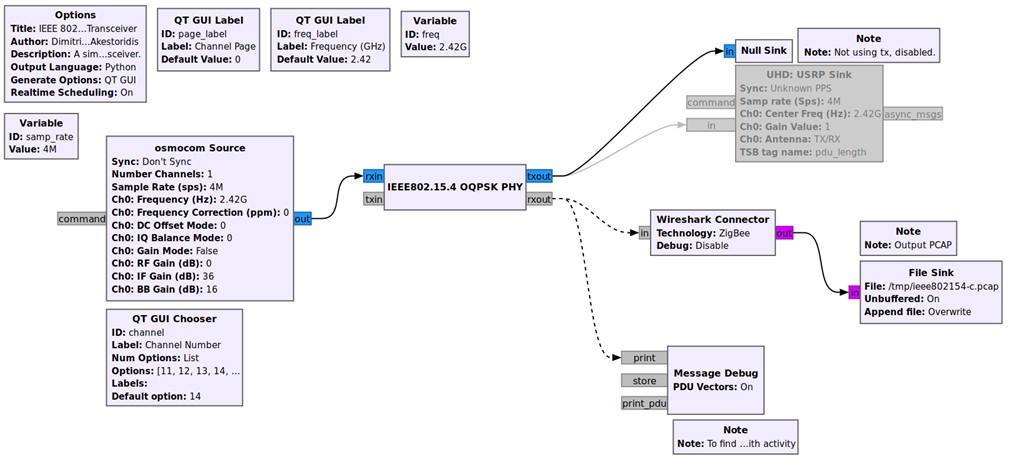
Now let's find out what each block means:
Options
Purpose: General flow settings.
Title: Scheme name - "IEEE 802...Transceiver"
Author: Project author
Description: Brief description - simulated receiver
Output Language: Python (code generation)
Generate Options: QT GUI (QT interface is used)
Realtime Scheduling: On (request for priority in the OS)
2. Variables
Variable "freq" = 2.42G.
Variable "samp_rate" = 4M: Sampling frequency - 4 MHz.
QT GUI Label
These blocks display the parameter values on the GUI:
page_label: Shows "Channel Page"
freq_label: Shows the current frequency in GHz - 2.42
Used only for visualization and debugging.
QT GUI Chooser
Allows you to select a channel from the list (e.g. 11, 12, 13, ..., 14).
Used to change the frequency associated with the ZigBee channel.
osmocom Source
This is the main block that connects to the SDR receiver.
Parameters:
Sample Rate: 4 MHz
Frequency: 2.42 GHz
Gain: Different gain values
BB Gain: 16
Sync: "Don’t Sync" - do not synchronize the clock generators.
Works with SDR equipment via Osmocom.
IEEE802.15.4 OQPSK PHY
This is the physical layer of the IEEE 802.15.4 standard:
Receives a signal from the osmocom Source block and decodes it into packets.
Uses OQPSK (Offset Quadrature Phase Shift Keying) modulation.
Null Sink
Inactive output.
Purpose: Disable data transmission on this port (debugging,
blocking).
Note: "Not using tx, disabled." - transmission is not used.
Wireshark Connector
Allows you to capture and transfer packets to Wireshark for analysis.
Technology: ZigBee
Debug: Disabled
File Sink
Writes output packets to a PCAP (Wireshark-compatible) file.
Path: /tmp/ieee802154-c.pcap
Unbuffered: Enabled (write immediately)
Append file: Overwrite on each run10. Message Debug
Prints packets and messages for debugging.
print_pdu: Prints each PDU (Protocol Data Unit)
store: Stores PDU for further analysis
The general setup for the attack is as follows:
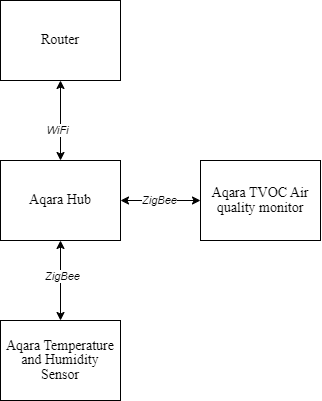
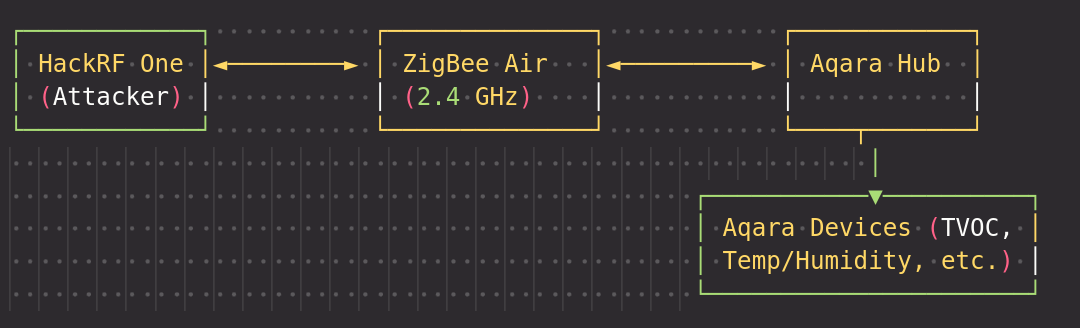
In this case, the attack allows to disrupt the correctness of the connections between Aqara Hub and Aqara TVOC Air and Aqata Temper.
Hacking example: attack stages
Step 1: ZigBee channel reconnaissance
ZigBee uses 16 channels in the 2.4 GHz range:
from 2405 MHz (channel 11) to 2480 MHz (channel 26), in 5 MHz increments
Goal:
To determine which channel the target device is operating on (or to jam all 16).
Step 2: SDR setup
We use the HackRF One in transmit TX) mode to generate a jamming signal.
Step 3: creating a GNU Radio flowchart
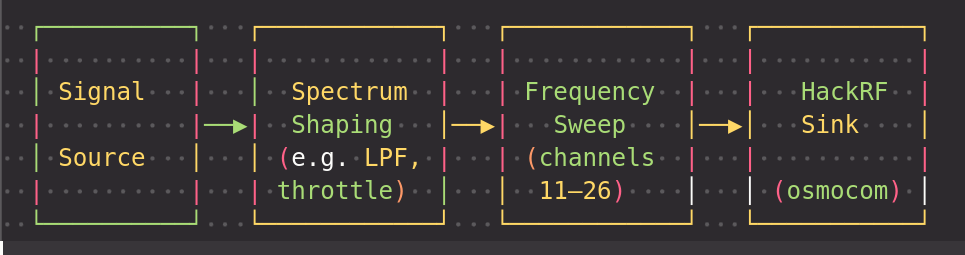
Signal Source - White noise or modulated signal generator
Spectrum Shaping - Limits signal to 5 MHz ZigBee channel width)
Frequency Sweep - Cycles through channels from 2405 to 2480 MHz
HackRF Sink - Transmits signal through HackRF One
Step 4: Performing the attack
Launch a stream of interference on one or all channels
Result:
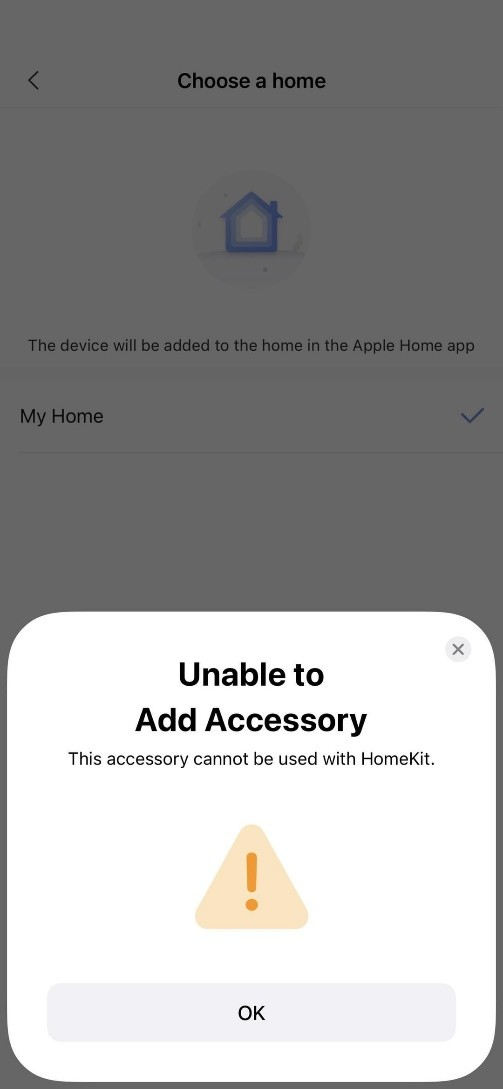
The Aqara system loses connection!
Interface updates disappear
Unable to add devices
The system tries to reconnect
Step 5: Measuring effectiveness
Time before connection loss ~ 10–20 seconds
Jamming range (open) - up to 3 m
With an obstacle (20 cm wall) ~up to 1 m
Results
Jamming Effectiveness
`HackRF`, paired with GNU Radio, proved highly effective in disrupting communication:
Connection Loss Delay: Between 10 and 20 seconds after jamming began.
Effective Jamming Range:
Open space: Up to 3 meters
With 20 cm wall obstruction: ~1 meter
Environmental Impact
Obstacles significantly reduced the interference radius.
Despite low transmit power, HackRF effectively disabled communication over short distances.
Channel-sweeping ensured that whichever ZigBee channel was active, it was jammed.
System Response
Observable effects included:
Complete loss of link between hub and peripherals
UI showed stale sensor data
Hub attempted to re-establish communication after jamming ceased
Limitations and Future Work
Our study targets the 2.4 GHz band; sub-GHz ZigBee profiles and Thread/Matter dynamics were out of scope. We did not test mixed-vendor roaming or high-density apartment scenarios with heavy neighbor interference—likely a harsher environment than a detached home. Future work should quantify recovery time distributions, compare channel agility across ecosystems, and evaluate whether multi-PAN segmentation limits blast radius during localized denial.
Summary
This research highlights critical vulnerabilities in ZigBee networks when exposed to deliberate, targeted RF jamming - even at low power levels. While ZigBee employs DSSS (Direct Sequence Spread Spectrum) to enhance robustness, real-world implementations often operate at just 1-3 mW, making them easy prey for a focused jammer.
Physical barriers offer a partial defense, consistent with theoretical RF propagation loss models at 2.4 GHz. This underscores the importance of equipment placement and the potential for security-by-design at the infrastructure level.
The findings confirm that SDR-based jamming - using accessible tools like HackRF and GNU Radio — can reliably incapacitate ZigBee communications in a smart home setup. This implies an urgent need for hardened architectures and failsafe mechanisms in future wireless systems.
Suggested countermeasures include:
Dynamic channel hopping
Hardware shielding and RF isolation
Anomaly detection algorithms in RF space
Fallback communications over redundant protocols
This research contributes to the growing body of knowledge on SDR-based attacks and reinforces the need for proactive defense strategies in consumer-grade wireless systems.
References
Zigbee - https://en.wikipedia.org/wiki/Zigbee
HackRF One - https://greatscottgadgets.com/hackrf/one/